Table of Contents
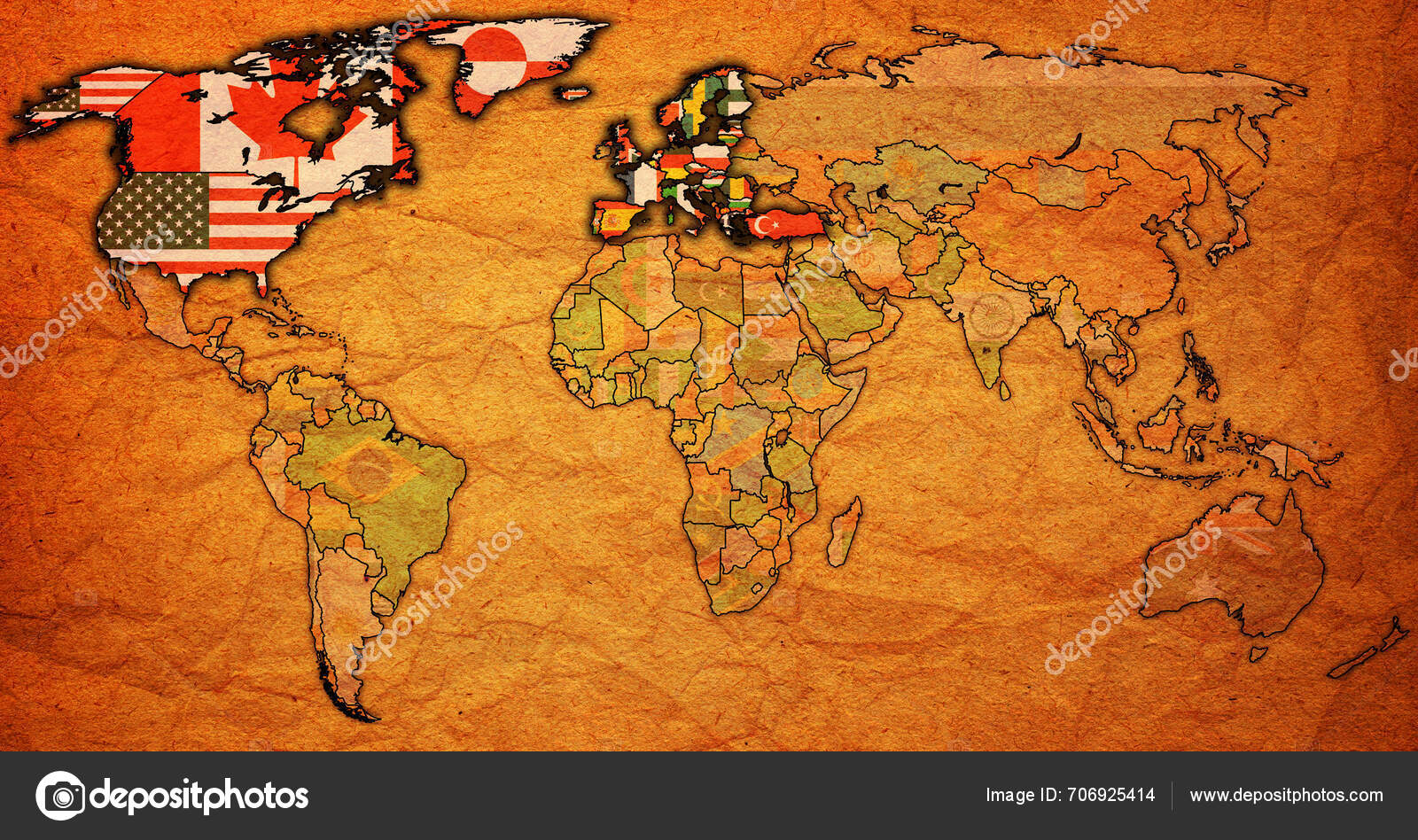
- Nato 2024 Yılında Ulusal Bayraklarla Dünya Haritasında Yer Aldı — Stok ...
- This is Project 2025, a million effort led by the Heritage ...
- What Countries Are In Nato 2025 - Cari Marsha
- Get ahead for Europe 2025 | The West Australian
- Nato Countries Map 2025 - Wylma Karlotta
- PROJECT 2025 - New set up USA , ISREAL (Worldwide Military Peace Plan ...
- Who Won Record Of The Year 2025 - Ruthi Clarisse
- My future prediction map (2025) They didn’t take it down from the main ...
- 2025
- Nato Countries Map 2024 - Gayel Joelynn


NATO's original mandate was to provide collective defense against the Soviet Union during the Cold War era. However, with the dissolution of the Soviet Union in 1991, NATO's role expanded to include crisis management, cooperative security, and counter-terrorism. The alliance has since intervened in several conflicts, including the Balkans, Afghanistan, and Libya. Today, NATO faces new challenges, including a resurgent Russia, an increasingly assertive China, and the rise of non-state actors such as terrorist organizations.

The New Security Environment

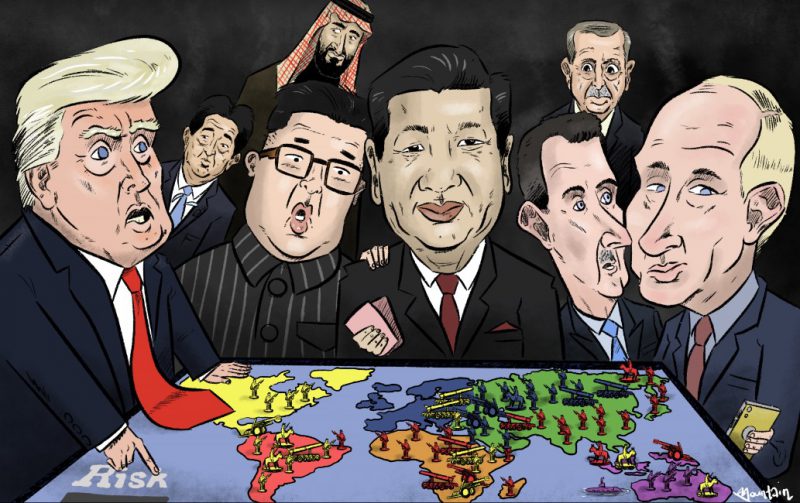


NATO's Response


As NATO continues to evolve its foreign policy, it must balance its commitment to collective defense with the need to adapt to new security challenges. The alliance must also navigate the complexities of a multipolar world, where rising powers such as China and India are increasingly influential. By strengthening its partnerships, investing in new technologies, and enhancing its crisis management capabilities, NATO can remain a cornerstone of global security in the decades to come.
NATO's new foreign policy landscape presents both opportunities and challenges. As the alliance navigates this complex and dynamic environment, it must remain committed to its core values of democracy, individual liberty, and the rule of law. By doing so, NATO can continue to play a vital role in maintaining peace and stability in Europe and beyond, and address the evolving security challenges of the 21st century.